
Fun with Verbs
Subjunctives and Modals, OH MY!

If you’re a regular reader of my offerings here, I’m going to make a few assumptions about you.
1. You like to read and (quite possibly) write.
2. You have no trouble understanding verb tenses in English, as well as active and passive verb constructions.
However, while talking with a relative of mine who’s a published author, an accomplished scriptwriter, and a prodigious reader, I was a bit surprised to hear that she’s never understood modal verbs.
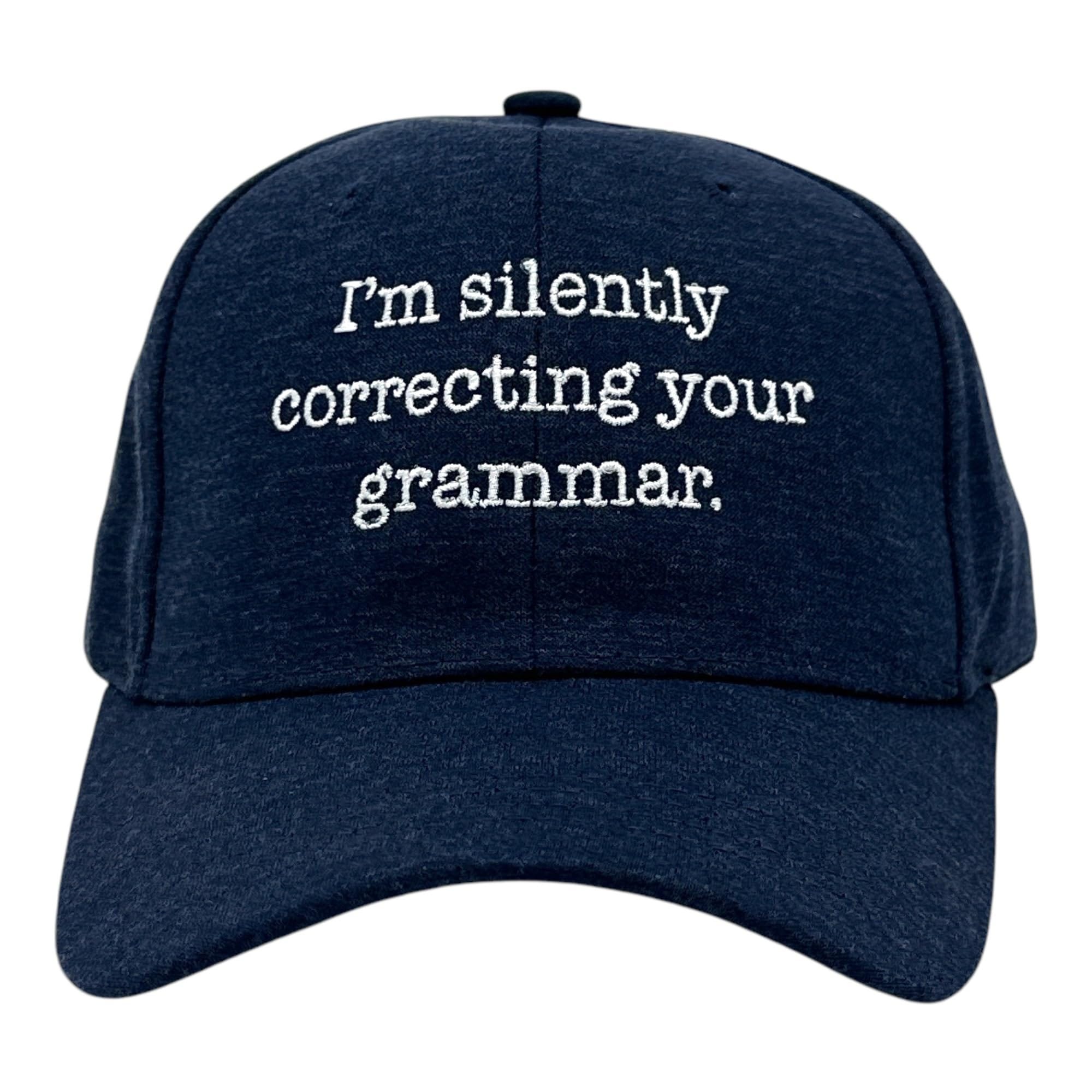
This tempted me to put on my Grammar Pedant hat (Make America Grammatical Again!) and venture into discourse about two of the less understood types of verbs in English: modals, and subjunctives.
Let’s start with subjunctive-mood verbs, just because they’re fun. Subjunctives, which express impossibility or unlikely states or events, are somewhat unique, because they skip the usual subject-verb agreement rules and may use “were” for both single and plural subjects. There are two types of subjunctives: past and present.
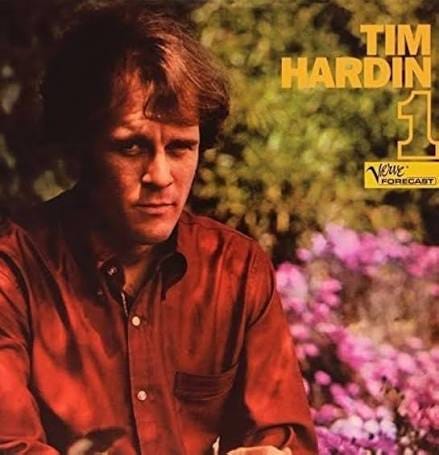
OK — Music Trivia Time! What song by folk artist Tim Hardin became a hit and was not only covered by the likes of Bobby Darin and the Four Tops, but its lyrics also used the past subjunctive mood correctly?
Give up? It’s “If I Were a Carpenter.”
“If I were a carpenter, and you were a lady,
Would you marry me anyway? Would you have my baby?”
The “were” is what makes this clause subjunctive: it telegraphs that the singer is not currently a carpenter, but if he were, would it affect the “lady’s” love for him, due to class differences? This is why your grammar ear may be offended, even when you’re not sure why, by statements like, “If I was to marry Kim Kardashian tomorrow…”
BTW, don’t try it… it’s already been done.
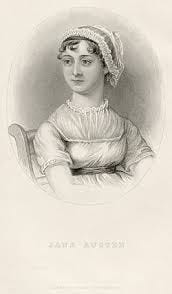
Some other examples of past subjunctive verbs: Macbeth, who according to Shakespeare was fine with murdering other royals, but wouldn’t murder English: “"If it were done when 'tis done, then 'twere well it were done quickly." Jane Austen contributes this from Pride and Prejudice: “"I would have you know that I am not destitute of the means of living, even though I were to be deprived of my salary."
On to the present subjunctive, which uses what are sometimes called “infinitive root form,” or “bare verbs.” They turn up in clauses following verbs or phrases of command, recommendation, or necessity such as “insist, demand, propose”). “It is necessary that every member be present,” says The Great Gatsby by F. Scott Fitzgerald.
And now, modal verbs. These often give people learning English as a second+ language problems, as they do not follow the usual grammatical rules for verbs in English. As Wikipedia points out “Modal verbs are helper verbs that indicate possibility, ability, permission, request, suggestion, order, obligation, or advice.. They are always paired with a main verb in its base form and never change their spelling to match a subject (e.g., they don't take an "-s" in the third person).”
Common examples are “can, could, may, might, must, shall, should, will, and would.” These often overlap in everyday use; for example. “Can I go to the bathroom?” means roughly the same thing as “May I…” even though, strictly speaking, “can” implies ability (Can I lift 100 lbs.?) or possibility, while “may” seeks permission. They allow finely nuanced statements around not-entirely-clear outcomes. For example, “Should you date that guy? I can’t tell you for sure, but you may want to…”
It’s interesting to note that, in Scots and Southern US dialects, speakers sometimes pile up two modal verbs, perhaps to indicate more polite doubt or uncertainty about the scenario being discussed: “I might could go to the game with you.”
If this piece were to end now, would you be all right with that?
Best if only grammar lesson of the day! I like your use of the M.A.G.A. acronym! You should start a grammar chat box!
This is why, were I to be writing, I would need to find me an editor.